
New Policy: DKI Jakarta Enrolls 23,000 Students in Free Private School Program
Wahanaberita.com – Pemprov DKI Jakarta has launched a significant initiative to broaden access to free private education, aiming to accommodate 23,000 students through an expanded program. The government has allocated Rp253.625.139.600 to support 103 private schools, with 40 institutions receiving full funding for the entire 2026 academic year and an additional 63 schools set to join the program from July to December 2026. This New Policy underscores the government’s commitment to reducing educational disparities and ensuring equitable opportunities for underprivileged families.
Expansion of Free Education Access
The New Policy is designed to address the growing demand for quality education in Jakarta, particularly in underserved communities. By including more private schools, the initiative seeks to alleviate the financial burden on low-income households, allowing them to access high-standard learning environments without additional costs. Gubernur DKI Jakarta Pramono Anung emphasized that the program is a crucial step toward breaking the cycle of poverty through education. “This New Policy is a transformative effort to ensure every child, regardless of their economic background, can pursue their academic goals without barriers,” he stated in a recent press release.
As part of the program, schools must meet specific criteria, including operational licenses, valid NPSN numbers, and accreditation status. The selection process prioritizes institutions located in areas lacking public schools, ensuring that the expansion targets regions with the greatest need. This strategic approach aligns with the government’s broader goal of enhancing educational infrastructure across the city.
Implementation and Benefits for Students
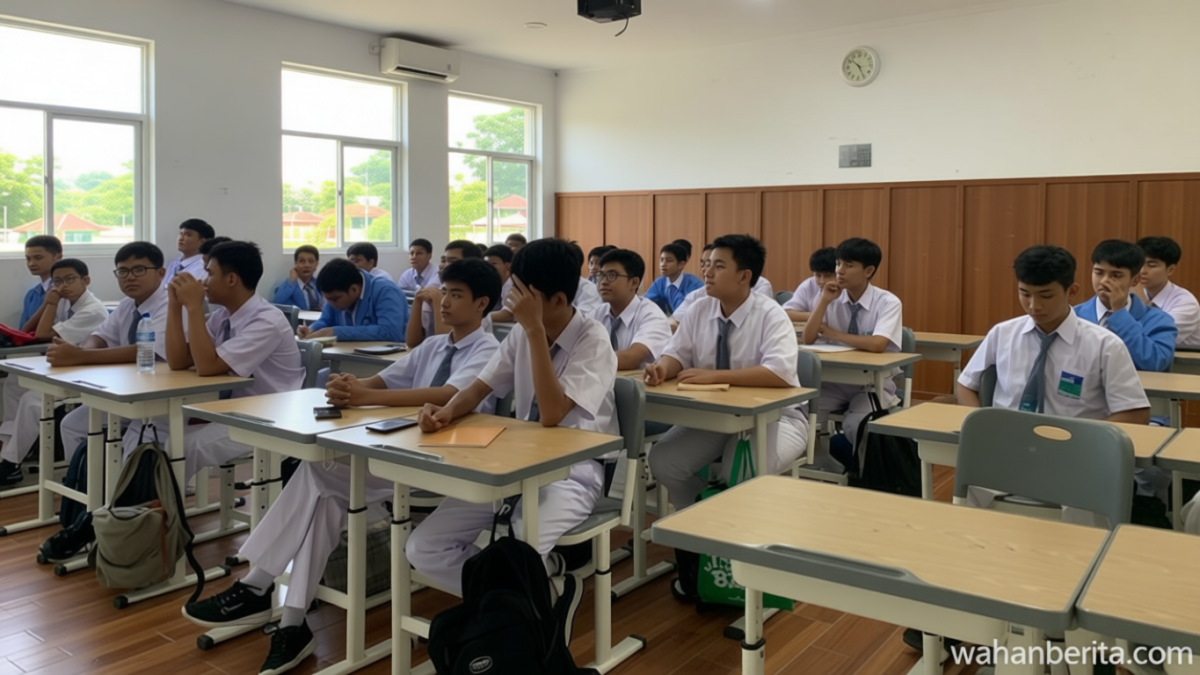
The implementation of the New Policy involves a phased rollout to ensure smooth integration. The first wave of 40 schools has already begun operations, while the remaining 63 will join in the second half of the year. This staggered approach allows for monitoring and adjustments based on initial feedback. For instance, SMKS Laboratorium Jakarta in Pondok Kelapa, Jakarta Timur, has seen a dramatic increase in student enrollment, rising from 54 to 153 students since joining the program.
Parents and students have expressed overwhelming satisfaction with the New Policy. Leli, a mother of a student at SMKS Laboratorium Jakarta, shared how the program has eased her financial strain. “Before this New Policy, we had to pay for everything—books, uniforms, and even exams. Now, all expenses are covered by the government,” she said, highlighting the program’s impact on families. The initiative also includes provisions for full support of practical activities, making it a holistic solution for educational access.
Challenges and Future Plans
While the New Policy has been met with enthusiasm, challenges such as logistical coordination and resource allocation remain. Kepala Dinas Pendidikan DKI Jakarta Nahdiana noted that the government is working closely with school administrators to ensure compliance with program requirements. “Every school selected must maintain uninterrupted teaching activities and report accurate data to monitor progress,” she explained.
Looking ahead, the New Policy is expected to set a precedent for future educational reforms. The success of this initiative may inspire similar programs in other cities, expanding the reach of free private education nationwide. Additionally, the government plans to evaluate the program’s effectiveness mid-year to identify areas for improvement. This proactive approach reflects a dedication to continuous enhancement of the educational system.
Community Response and Educational Impact
Local communities have welcomed the New Policy as a vital resource. The expansion has not only increased student numbers but also revitalized interest in vocational and secondary education. Momon Darmawan, the head of SMKS Laboratorium Jakarta, noted that the program’s comprehensive support has transformed the school into a hub for aspiring students. “With full funding, we can now provide a better learning environment and more opportunities for our students,” he said, underscoring the program’s positive ripple effects.
Education experts have praised the New Policy for its innovative approach. “By integrating private schools into the free education framework, DKI Jakarta is creating a more inclusive and flexible system,” remarked one analyst. The policy also addresses the long-term goal of building a skilled workforce, as vocational training is a key component of the program. This alignment with economic development priorities ensures that the initiative contributes to both immediate and future societal growth.