
Israel Intercepts Humanitarian Convoy Heading to Gaza
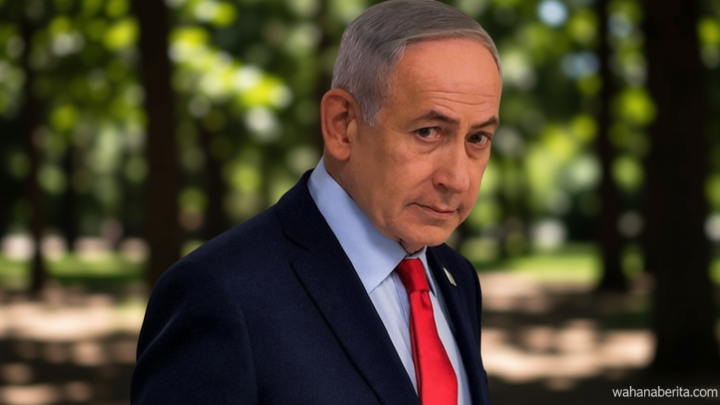
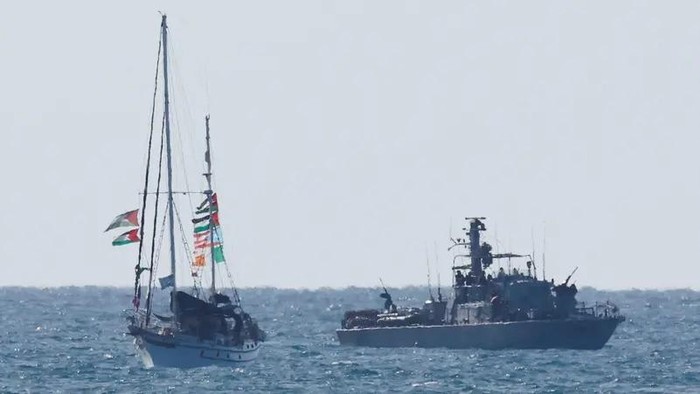
New Policy – Under its New Policy to tighten control over the Gaza Strip, Israel’s military intercepted a humanitarian ship convoy carrying aid supplies to the region last week. The operation, which targeted the Global Sumud Flotilla, marked a significant escalation in the country’s efforts to restrict the flow of goods and resources into Gaza. Prime Minister Benjamin Netanyahu swiftly condemned the mission, calling it a “diabolical plan” aimed at supporting Hamas, the militant group that has been at the center of the ongoing conflict in the territory. This move is part of Israel’s broader strategy to enforce its maritime blockade, a measure that has drawn international criticism for limiting the access of civilians to essential supplies.
Netanyahu’s office released a statement highlighting the success of the New Policy in thwarting the convoy. “I believe you have done an outstanding job… thwarting the diabolical plan designed to bypass the blockade we have imposed on Hamas terrorists in Gaza,” the statement emphasized. The interception, which occurred in international waters near Cyprus, was framed as a necessary step to ensure compliance with Israel’s security objectives. The Prime Minister also praised the coordinated efforts of Israeli forces, stating, “You executed it exceptionally well… and certainly with much less fanfare than our enemies anticipated.”
The New Policy has been in place since the beginning of the year, with Israel implementing stricter checkpoints and enhanced surveillance to monitor all vessels entering Gaza. This policy was introduced in response to the humanitarian crisis deepening due to the ongoing war, which has left millions of Palestinians without adequate food, medical supplies, or clean water. By intercepting the Global Sumud Flotilla, Israel demonstrated its commitment to enforcing the policy, even as it faced accusations of prioritizing military interests over civilian needs. The operation also underscored the challenges of delivering aid to a region under siege, with critics arguing that the blockade has worsened the suffering of the local population.
Background of the New Policy
The New Policy represents a shift in Israel’s approach to managing the humanitarian situation in Gaza. Prior to its implementation, the country had already imposed a land and air blockade, but the maritime restrictions were more recently intensified. This change was driven by a combination of political and military pressures, as Israel sought to limit the movement of goods that could be used to support Hamas. The policy includes stricter inspections, the use of advanced tracking systems, and the deployment of naval forces to monitor all vessels heading toward Gaza. While Israel claims the measures are necessary to prevent the smuggling of weapons, opponents argue that they have disproportionately impacted the delivery of food, medicine, and other vital resources.
According to the Israeli Ministry of Foreign Affairs, the New Policy is a direct response to the increasing flow of aid that has been used to sustain Hamas operations. “This time, two Turkish groups involved in violence — Mavi Marmara and IHH, the latter designated as a terrorist organization — are part of this provocation,” Netanyahu tweeted, highlighting the role of external actors in the mission. The ministry also emphasized that the convoy’s arrival would have provided critical support to Hamas, potentially destabilizing the region further. This justification aligns with the New Policy’s core objective: to cut off the supply chain that fuels the militant group’s activities while maintaining the flow of aid for civilians.
The intercept of the Global Sumud Flotilla is a key example of how the New Policy has been applied in practice. Ten vessels, including the Amanda, Barbaros, Josef, and Blue Toys, were seized by Israeli forces during the operation. Among those detained was Andi Angga Prasadewa, an Indonesian citizen associated with the Global Peace Convoy Indonesia (GPCI), a group that has been advocating for increased humanitarian aid to Gaza. The incident has sparked concern among the Indonesian government, which has been monitoring the situation of its citizens involved in the mission to ensure their safety and rights are protected under international law.
International Response to the New Policy
The interception of the humanitarian convoy has drawn mixed reactions from the international community. While some countries, particularly those aligned with Israel’s security concerns, have expressed support for the New Policy, others have criticized it as a violation of humanitarian principles. The United Nations has called for a review of Israel’s measures, stating that they may be hindering the delivery of essential aid to civilians. European Union representatives also expressed disappointment, arguing that the policy could exacerbate the humanitarian crisis in Gaza.
Kemlu, the Indonesian Ministry of Foreign Affairs, reiterated its condemnation of the interception, emphasizing that the New Policy has not only disrupted the flow of aid but also put Indonesian citizens at risk. “The Ministry of Foreign Affairs strongly condemns the Israeli military for intercepting several ships in the international waters near Cyprus, Eastern Mediterranean,” said Yvonne Mewengkang, a Kemlu spokesperson, on Monday (18/5). She added that the government is actively engaging with Israel to ensure that the detained vessels and activists are released, and that the humanitarian mission continues without interference.
Meanwhile, Republika, an Indonesian news outlet, has also voiced its concerns. The organization highlighted the arrest of two of its journalists, Bambang Noroyono and Thoudy Badai, who were on board the Global Sumud Flotilla. “Among the nine Indonesian volunteers on board were two Republika journalists, Bambang Noroyono and Thoudy Badai, who were carrying out journalistic and humanitarian duties. Their safety is a serious concern for us,” said Andi Muhyiddin, Republika’s Editor-in-Chief. The detention of the journalists has been seen as a symbolic act by Israel to assert its dominance over the maritime route, a key artery for aid to the region.