
Latest Update: Venezuela Declares Emergency After Two Major Earthquakes
Earthquake Sequence and Immediate Impact
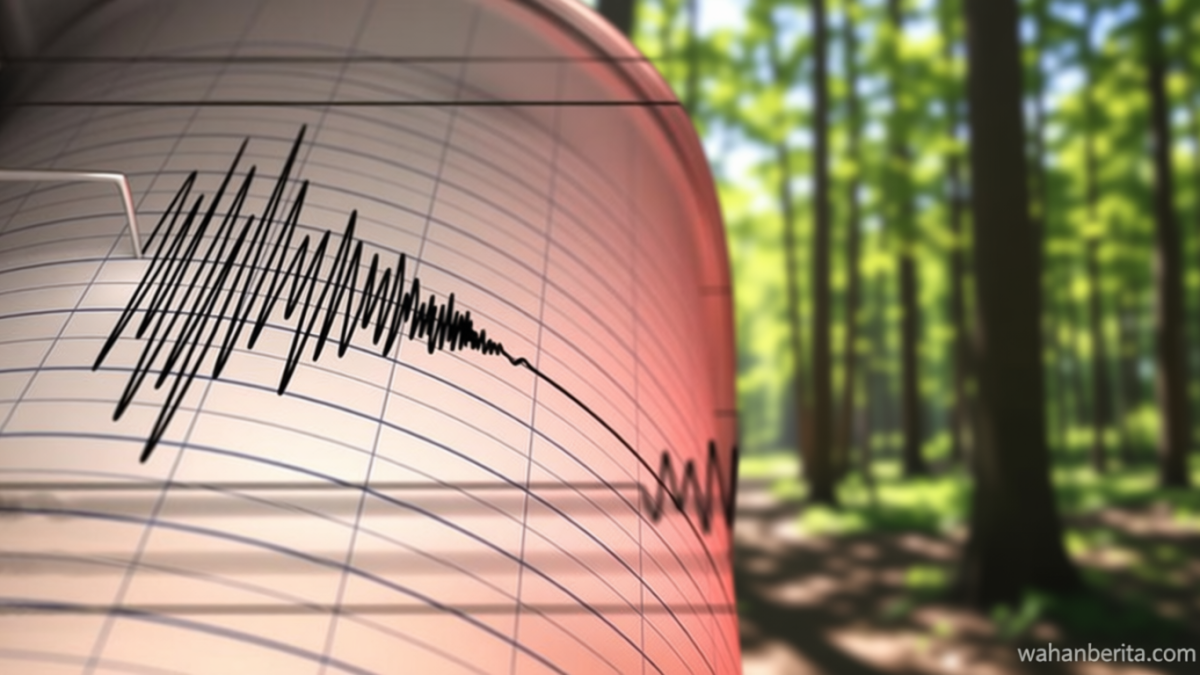
Latest Update – Venezuela faced a series of devastating earthquakes on Wednesday, June 24, 2026, when two powerful tremors struck the country, measuring 7.2 and 7.5 on the Richter scale. The Latest Update confirmed that these shocks were followed by over 20 aftershocks, causing widespread damage to infrastructure and disrupting daily life. The epicenters of the quakes were near the coastal regions, triggering panic among residents of Caracas, the capital, and surrounding areas. Many people fled their homes as buildings swayed and cracks formed in roads and structures. The Latest Update highlights that the seismic events have exposed vulnerabilities in the nation’s preparedness, especially in densely populated urban zones.
According to the Latest Update from AFP and CNN, the first earthquake occurred in the afternoon, with its epicenter located close to the coastline. The tremor’s intensity was so great that it rattled the entire Caracas region, prompting emergency alerts and forcing the closure of Maiquetia International Airport, a critical hub for the country. The Latest Update adds that the second earthquake, stronger than the first, struck within hours, compounding the damage. Officials reported that some buildings suffered structural cracks, while others collapsed, particularly in areas with older construction. The Latest Update also mentions that the U.S. Tsunami Warning System issued alerts for Puerto Rico and the U.S. Virgin Islands, though no tsunami was confirmed.
“Kami melihat retakan di dinding rumah dan bangunan saat guncangan terjadi,” kata seorang saksi mata kepada Reuters, menggambarkan kekacauan di jalanan kota. The Latest Update from the saksi mata underscores the chaos and fear experienced by Venezuelans during the quakes, with many reporting fear of further collapses and the need for immediate safety measures.
Government Response and Emergency Measures
The Latest Update on Thursday, June 25, 2026, revealed that Venezuela’s interim president, Delcy Rodríguez, declared a state of emergency after assessing the damage. This decision was made to coordinate relief efforts and allocate resources to affected areas. The Latest Update indicates that the declaration was based on the severity of the quakes, which disrupted transportation networks and power supplies. Rodríguez emphasized the urgency of the situation, stating that the country needed to “act swiftly to protect lives and restore stability.” Her Latest Update addressed both the physical destruction and the psychological trauma caused by the disasters.
As part of the Latest Update, the government activated emergency protocols, including deploying rescue teams to search for survivors and inspecting damaged infrastructure. The Latest Update from the official sources also noted that authorities were working with international partners to provide aid and assess the long-term consequences of the quakes. However, the Latest Update highlights challenges in the response, including logistical difficulties due to damaged roads and limited supplies. In the Latest Update, Rodríguez called for unity among Venezuelans to overcome the crisis, while stressing the need for global support to aid recovery efforts.
The Latest Update on the situation includes reports of at least 10 confirmed casualties, with many more reported missing. The government has yet to release detailed figures, but the Latest Update suggests that the toll could rise as search operations continue. In the Latest Update, local officials shared that the quakes caused significant disruptions to communication systems, complicating the flow of information. The Latest Update also mentions that power outages affected several districts, leaving thousands without electricity and forcing them to rely on generators or alternative energy sources.
Historical Context and Regional Concerns
While the Latest Update focuses on the recent events, it draws parallels to previous seismic activities in Venezuela. The Latest Update notes that the country has experienced several major earthquakes in recent years, raising concerns about its preparedness. For example, in 2016, a 7.3-magnitude quake near the capital caused extensive damage, with over 1,000 fatalities. The Latest Update highlights how these recurring disasters have tested the nation’s resilience, particularly under current economic and political challenges. The Latest Update also mentions that the Caribbean region, including Puerto Rico, remains a priority for monitoring due to its proximity to the epicenters.
The Latest Update from the national disaster agency reveals that experts are analyzing the geological activity to determine if the quakes were part of a larger tectonic shift. The Latest Update indicates that scientists are closely monitoring the area to issue early warnings and prevent future casualties. Meanwhile, the Latest Update underscores that the government has not yet provided full transparency about the extent of damage, prompting calls for more detailed reports. In the Latest Update, residents expressed frustration over delayed information, while emphasizing the need for improved disaster response systems.
As the Latest Update continues, international organizations are offering assistance to Venezuela. The Latest Update from the United Nations and Red Cross highlights the potential for long-term recovery efforts, including rebuilding infrastructure and supporting displaced families. The Latest Update also mentions that neighboring countries are preparing for possible secondary effects, such as landslides or further tremors, which could impact coastal communities. The Latest Update stresses the importance of regional cooperation in addressing the aftermath of the earthquakes and ensuring the safety of vulnerable populations.